Faster Pages, Automatically
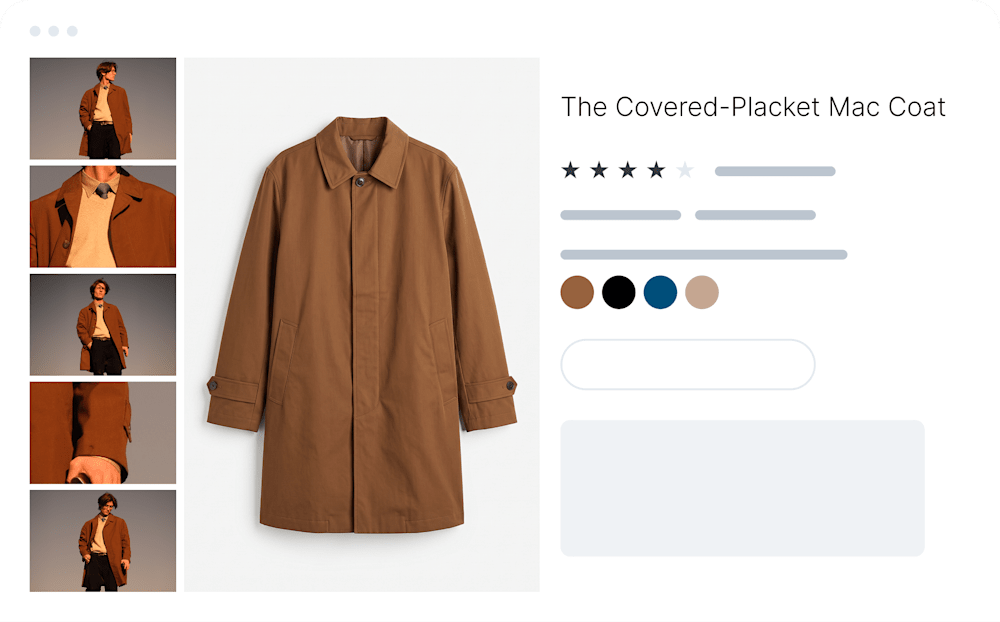
Cloudinary picks the best format and quality for every browser and device and delivers it over a multi-CDN network. Your team stops managing static renditions and creates each variant on the fly from one master file.

Sometimes classic is better. But not in your media stack. See why leading brands are moving from Adobe Dynamic Media Classic to Cloudinary.
Our contact form didn’t load. This can happen when a browser extension blocks it. Please reach us through our contact page.
By submitting this form you are agreeing to our Privacy Policy and for your data to be processed and stored by Cloudinary. This site is protected by reCAPTCHA and the Google Privacy Policy and Terms of Service apply.


Cloudinary works with your CMS, commerce platform, and PIM through APIs, SDKs, and prebuilt integrations, so you can modernize without rebuilding around one vendor.
Cloudinary picks the best format and quality for every browser and device and delivers it over a multi-CDN network. Your team stops managing static renditions and creates each variant on the fly from one master file.
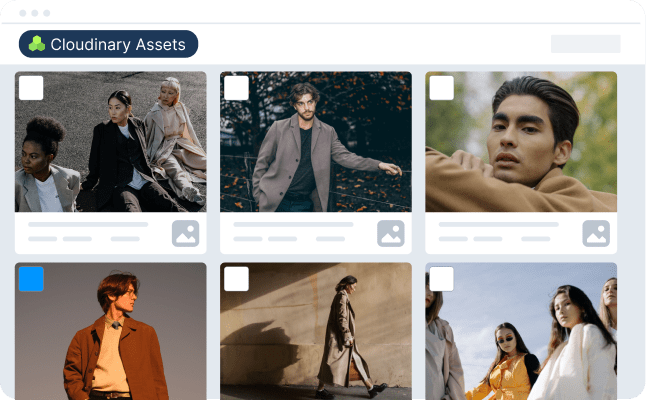
Auto-tag, smart-crop, remove backgrounds, extend images, and generate new visuals with AI, then deliver any variation on the fly from a single file.
Developers get APIs and SDKs for every major framework. Marketers get a DAM to find, approve, and publish. Both manage images and video from the same source of truth.
Cloudinary is purpose-built for where your visual media layer is headed, not where it’s been. Teams get a composable, API-first platform that plugs into the stack they already run, with AI-powered automation and optimization that make every asset faster, sharper, and easier to scale.
“We had to make sure Cloudinary could do everything we were doing with Scene7… we needed as straightforward of a transition as possible. And it was!”
“Cloudinary’s robust APIs and flexibility were deciding factors for us because we wanted a platform that could seamlessly integrate with our MACH architecture and support our expansive digital and retail landscape.”
“Previously, updating our website was really hard. We’ve gone from days in order to get a piece of media through to our website [to] minutes and seconds and that is such a beautiful thing.”
assets under management
developers and counting
of the world's leading brands — from fast-growing startups to global enterprises
“It was exciting to have a new, modern platform, like Cloudinary, which was much more advanced than what we were using. Cloudinary is always innovating with new functionalities and is at the forefront of modern technology. With a company the size of GUESS, that’s exactly what we needed.”
Senior Front-End Developer and UX Manager, GUESS
Read case studyCloudinary’s migration experts have guided more than 40 brands off Scene7, including Trek, which moved its legacy library in weeks without service interruptions. Choose the route that fits your timeline and budget:
Our recommended route. A custom script moves your media assets into Cloudinary, applying transformations and metadata enhancements along the way.
Keep your existing folder structure by staging assets in cloud storage, then moving them into Cloudinary.
Transfer assets the first time visitors request them, with no deadline pressure.
Get the full process, pros and cons, and a pre-migration checklist for each route. Learn more →
If you’re modernizing beyond Scene7, there are two main routes: Scene7’s upgrade path to AEM Dynamic Media, or a move to Cloudinary.
Yes. It’s purpose-built for the entire rich-media lifecycle with support for all key formats, including lightweight, cutting-edge, and emerging ones like AR, 3D, and 360.
Yes. It’s simple to integrate with your existing and evolving stack with comprehensive, prebuilt connectors and widgets, including CMS, PIM, and other solutions tailored for e-commerce.
Brands moving to headless architectures want flexible, API-first tools that fit the stack they choose. Scene7 routes Dynamic Media Classic customers toward AEM Dynamic Media. Cloudinary offers an open alternative that works with your CMS, commerce platform, or PIM.
Cloudinary has a set of features and capabilities that have been historically highly valued by the customers who decided to upgrade after DMC’s end of life.
Scene7 customers typically choose between AEM Dynamic Media, Scene7’s upgrade path, and an API-first platform like Cloudinary. Teams that want one platform for images and video, with delivery built in, choose Cloudinary.
Cloudinary provides AI-based tagging, so all content can be automatically tagged via plugins. Scene7 doesn’t offer any automated tagging features.
A headless DAM separates asset management from the front end, so any website, app, or storefront can fetch media assets through APIs. Your team automates workflows without changing the systems around it and reaches value faster.
Yes. By combining image and video transformation, hosting, delivery, and DAM workflows in one platform, Cloudinary allows brands to consolidate standalone video hosts, legacy DAMs, and CDNs into a single operational stack.
Tell us about your library and timeline, and we’ll map the migration route that fits.
With more than four million users and 14,000 customers worldwide, Cloudinary is the leading image and video platform for developers and marketers alike to manage images, videos, and other media assets and deliver an optimal end user experience. For more information, visit www.cloudinary.com.