RESOURCES / BLOG
Blog - Page: 52
Get the latest news on the Cloudinary platform, solutions, and showcases.
React Upload File | Uploading Images and Videos in React
The Cloudinary ecosystem offers a vast array of features and advanced capabilities for managing your media content. However, to harness this power effectively, you must begin by uploading your images and videos to Cloudinary. While you could manually accomplish this task using Cloudinary’s extensive APIs…

Read More ->
Flutter and Video Integration
Video content has become the driving force behind user engagement and brand success. Mobile devices have risen to the forefront as the primary medium for consuming video content, making it crucial for app developers to harness the power of video. This article explores the significance of video…

Read More ->
Building an E-commerce Storefront Using Next.js, Cloudinary, and Xata
As more and more people favor the convenience of online shopping, business owners turn to e-commerce platform builders, like Shopify, to sell more products. E-retail sales have surpassed 5.7 trillion dollars globally, and this number is only likely to rise in the upcoming years. In this blog post,…

Read More ->
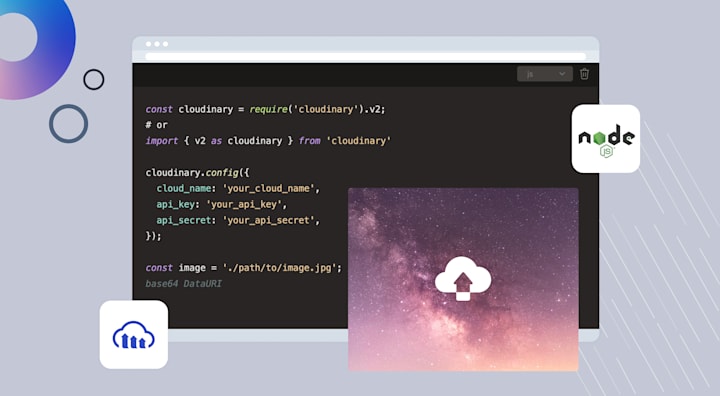
Uploading Images in Node.js With the Cloudinary Node SDK
Managing your image and video workflow is crucial, and a significant aspect of it involves ensuring your media is properly organized in your Cloudinary media library. Node.js is a runtime environment that lets you run JavaScript on the server side, outside of the browser. A Node SDK (Software…
Read More ->
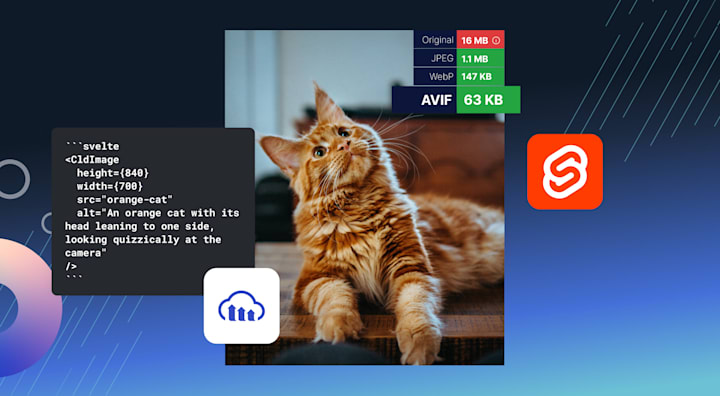
Boost Svelte Performance With Optimized Images
Serving optimized images is a vital part of building a performant website. If we serve our users images that are unnecessarily large, we waste their bandwidth and time. We also increase our own costs, since serving enormous images isn’t cheap! For the median webpage, 40% of the…
Read More ->
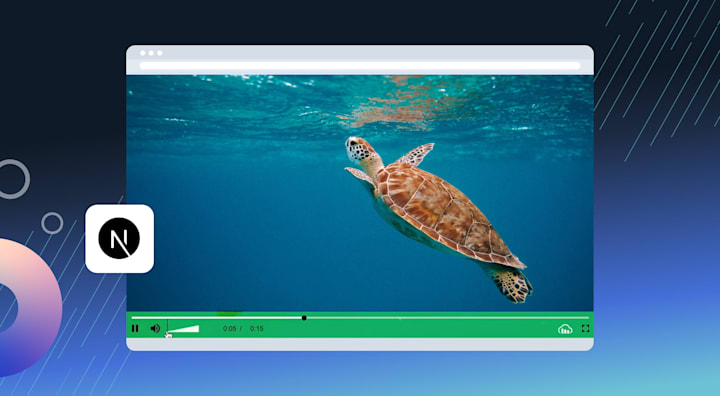
Embedding a Video Player in Next.js With Next Cloudinary
In the realm of dynamic web applications, embedding videos can often seem like a challenge, particularly if you wish to do this while retaining control over the playing experience and customizing it to fit your brand. However, the task becomes a breeze in Next.js with the introduction of the…
Read More ->
Authenticated Images With Cloudinary, Next.js 13 and Supabase (Part 2)
In Part 1 of this two-part article, we’ll set up Supabase, Cloudinary, and our backend for data consumption with security. In Part 2, we’ll put everything together by looking at our Next.js 13 repository made for this article and its authentication concepts. Getting Started Note:…

Read More ->
Working Smarter, Not Harder: Prioritizing Innovation With an Eye for Efficiency
The gains in employee productivity promised by AI can seem almost too incredible to believe. For example, PwC found that AI could add up to $15.7 trillion to the global economy by 2030. At the same time, generative AI tools are already…

Read More ->
Protecting Cloudinary Credentials in an Enterprise Setting
The Challenge For IT and DevOps professionals, securing API credentials is crucial. While production systems often pull Cloudinary API credentials from secret managers, hands-on tasks like setup or maintenance present some challenges: Importing credentials into the shell session. This leaves the API secret in the shell history. Using a…

Read More ->
Start Using Cloudinary
Sign up for our free plan and start creating stunning visual experiences in minutes.
Sign Up for Free